
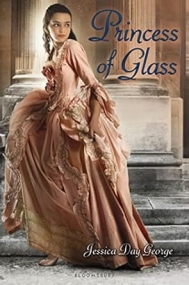
Hoping to escape the troubles in her kingdom, Princess Poppy reluctantly agrees to take part in a royal exchange program, whereby young princes and princesses travel to each other's countries in the name of better political alliances-and potential marriages. It's got the makings of a fairy tale-until a hapless servant named Eleanor is tricked by a vengeful fairy godmother into competing with Poppy for the eligible prince. Ballgowns, cinders, and enchanted glass slippers fly in this romantic and action-packed happily-ever-after quest from an author with a flair for embroidering tales in her own delightful way.
- Books
- YA Fiction & Indies
- Young Adult Fiction
- Princess of Glass
Princess of Glass
Author(s)
Publisher
Genre(s)
Age Range
12+
Release Date
June 01, 2010
ISBN
1599904780
Buy This Book


User reviews
1 review
Overall rating
5.0
Plot
5.0(1)
Characters
N/A(0)
Writing Style
N/A(0)
Illustrations/Photos (if applicable)
N/A(0)
Already have an account? Log in now or Create an account
Fluffy fun!
(Updated: June 22, 2026)
Overall rating
5.0
Plot
5.0
Characters
N/A
Writing Style
N/A
Illustrations/Photos (if applicable)
N/A
Reader reviewed by Denise
Picking up where Princess of the Midnight Ball (George's excellent
retelling of The Twelve Dancing Princesses) left off, Princess of Glass
follows charismatic middle sister Poppy. After the events of the
previous book strained the alliances of the neighboring kingdoms, the
king of Breton concocts a princess/prince exchange to help smooth
tensions and strengthen alliances through marriage. Poppy finds herself
in Breton, mingling with the aristocrats and awkwardly trying to
tactfully decline dance partners without going into the details of her
family's former curse. Accompanying her is the warm and welcoming
Seadown family and the charming and attractive prince Christian of
Danelaw.
Though it is immensely fun to read about the gorgeous dresses,
courtly juggling, and budding romance between Poppy and Christian,
George also expertly weaves in a fresh reworking of the Cinderella
story. Waiting on Poppy and the Seadowns is Ellen, a clumsy maid
formerly of aristocratic status but recently fallen from grace after the
death of her secretly destitute father. Ellen doesn't seem capable or
motivated to do anything right, burning and wrinkling the clothing she
is supposed to be ironing, dropping dishes, and losing garments.
Frustrated with her fallen status, Ellen eagerly accepts the
patronage of a mysterious woman who refers to herself as the Corley and
insists Ellen call her godmother. Bolstered by the support and gifts
from her newfound godmother, Ellen attends ball after ball as the
beautiful and mysterious Lady Ella. Enchanting all of the men in
attendance, Ellen delights in her new life as Lady Ella, but she soon
learns that her godmother's gifts come at a high price.
While not quite as good as Princess of the Midnight Ball, this
sequel is still an enjoyable read and classic light and sweet JDG. The
compulsively likable and plucky characters and beautiful imagery I've
come to expect from JDG were both present. Poppy was just as delightful
as she was in the first book, and the Seadowns made for a wonderfully
warm and happy supporting cast. I liked how Poppy rose to the occasion,
but I also like how she did still have realistic fears left over from
her ordeal in the first book. The dresses described were so beautiful
and really fun to read about.
As in PotMB, the villain's otherworld was gorgeously and vividly
described, though unlike the previous book, the Corely was not as scary
as King Understone, nor was her back story as satisfying.
Minor spoilers:
I also had a much harder time sympathizing with Ellen than I did
with Rose and her sisters in the previous book. I spent so much time
disliking Ellen, that it was difficult to switch gears toward the end
and feel sorry for her. Similarly, while I liked Christian and thought
he and Poppy made a good couple, he also spent so much time mooning over
Lady Ella that it was a little difficult to get comfortable with the
idea of his romance with Poppy. Granted, he was under enchantment, but
he made such a fool out of himself falling all over Ella and completely
neglecting Poppy. It was a little irritating to read about after a
while. I wish the counter-charms Poppy made had worked more on him,
though I understand why they couldn't.
End of spoilers.
While it isn't absolutely necessary to read Princess of the Midnight
Ball before reading Princess of Glass, it would help the reader
understand a lot of references a lot better. Also, if the second book is
read before the first, then the first book is completely spoiled.
Comparisons between the two are inevitable, and while PoG wasn't quite
as good as PotMB, it was still a very enjoyable story and a fresh take
on the Cinderella tale. Definitely recommended to JDG fans and fans of
fantasy and fairy tale retellings.
Reprinted here with author's (my) permission.
Picking up where Princess of the Midnight Ball (George's excellent
retelling of The Twelve Dancing Princesses) left off, Princess of Glass
follows charismatic middle sister Poppy. After the events of the
previous book strained the alliances of the neighboring kingdoms, the
king of Breton concocts a princess/prince exchange to help smooth
tensions and strengthen alliances through marriage. Poppy finds herself
in Breton, mingling with the aristocrats and awkwardly trying to
tactfully decline dance partners without going into the details of her
family's former curse. Accompanying her is the warm and welcoming
Seadown family and the charming and attractive prince Christian of
Danelaw.
Though it is immensely fun to read about the gorgeous dresses,
courtly juggling, and budding romance between Poppy and Christian,
George also expertly weaves in a fresh reworking of the Cinderella
story. Waiting on Poppy and the Seadowns is Ellen, a clumsy maid
formerly of aristocratic status but recently fallen from grace after the
death of her secretly destitute father. Ellen doesn't seem capable or
motivated to do anything right, burning and wrinkling the clothing she
is supposed to be ironing, dropping dishes, and losing garments.
Frustrated with her fallen status, Ellen eagerly accepts the
patronage of a mysterious woman who refers to herself as the Corley and
insists Ellen call her godmother. Bolstered by the support and gifts
from her newfound godmother, Ellen attends ball after ball as the
beautiful and mysterious Lady Ella. Enchanting all of the men in
attendance, Ellen delights in her new life as Lady Ella, but she soon
learns that her godmother's gifts come at a high price.
While not quite as good as Princess of the Midnight Ball, this
sequel is still an enjoyable read and classic light and sweet JDG. The
compulsively likable and plucky characters and beautiful imagery I've
come to expect from JDG were both present. Poppy was just as delightful
as she was in the first book, and the Seadowns made for a wonderfully
warm and happy supporting cast. I liked how Poppy rose to the occasion,
but I also like how she did still have realistic fears left over from
her ordeal in the first book. The dresses described were so beautiful
and really fun to read about.
As in PotMB, the villain's otherworld was gorgeously and vividly
described, though unlike the previous book, the Corely was not as scary
as King Understone, nor was her back story as satisfying.
Minor spoilers:
I also had a much harder time sympathizing with Ellen than I did
with Rose and her sisters in the previous book. I spent so much time
disliking Ellen, that it was difficult to switch gears toward the end
and feel sorry for her. Similarly, while I liked Christian and thought
he and Poppy made a good couple, he also spent so much time mooning over
Lady Ella that it was a little difficult to get comfortable with the
idea of his romance with Poppy. Granted, he was under enchantment, but
he made such a fool out of himself falling all over Ella and completely
neglecting Poppy. It was a little irritating to read about after a
while. I wish the counter-charms Poppy made had worked more on him,
though I understand why they couldn't.
End of spoilers.
While it isn't absolutely necessary to read Princess of the Midnight
Ball before reading Princess of Glass, it would help the reader
understand a lot of references a lot better. Also, if the second book is
read before the first, then the first book is completely spoiled.
Comparisons between the two are inevitable, and while PoG wasn't quite
as good as PotMB, it was still a very enjoyable story and a fresh take
on the Cinderella tale. Definitely recommended to JDG fans and fans of
fantasy and fairy tale retellings.
Reprinted here with author's (my) permission.
G
Guest
Latest Additions




















GET A YABC BUTTON!


We have all sorts of YABC buttons for your website. Grab one here and link to YABC!