About This Book:
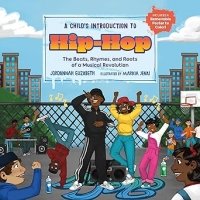
This definitive guide to hip-hop teaches kids about the history and world-wide cultural impact of the genre, covering everyone from early heroes like The Sugar Hill Gang, Kurtis Blow, and Run D.M.C., to modern day titans like Kanye West, Cardi B, and Kendrick Lamar.
In the 1970s, a musical and cultural movement was sparked in the Bronx neighborhood of New York City. Led by three DJs who performed at local block parties, DJ Kool Herc, Afrika Bambaataa, and Grandmaster Flash become known as the “Holy Trinity” of hip-hop and they helped establish the four main pillars of the genre: deejaying, mc’ing, break dancing, and graffiti art.
From these early days, acclaimed journalist and music critic Jordannah Elizabeth takes kids on a journey through the history of hip-hop, helping young readers understand how and why it was invented, and how it evolved into a powerful platform that gave (and still gives) a voice to the often-ignored Black community in America. From Tupac Shakur and Ms. Lauryn Hill to Drake and Tyler the Creator, kids will celebrate some of hip-hop’s biggest names while learning about the roots of their musical sounds, and the community that propelled them into stardom.
Packed with modern, charming illustrations, including a pull-out poster for kids to color, A Child’s Introduction to Hip-Hop features age-appropriate descriptions of a musical genre that is changing the world and dominating the airwaves. This is the perfect book for young students who want to know more about the world of hip-hop and rap, as well as for parents who want to introduce their children to some of their favorite artists.
*Review Contributed By Connie Reid, Staff Reviewer*
Springboard for further research
A Child’s Introduction to Hip-Hop: The Beats, Rhymes, and Roots of a Musical Revolution contains a plethora of information on the topic. The author respects the evolution of Hip Hop with the tone used throughout to present the groundbreaking and boundary-pushing genre. Presented in chronological order from its inception in the 1970s through the early 2020s, we receive mini-bios of the groups and solo artists who have made it a global industry, including the songs that have defined the genre.
The target age is Middle-Grade 8-12, making the breakdown of information and layout easy to follow for this age group and beyond. As an adult, I have been surrounded by music and references to many of the things featured for most of the period covered, but didn’t understand the history of it until reading this book and seeing how it came about.
I found it most enjoyable to read the bios, then look up the songs and listen. By immersing myself in the songs, the author’s words take on a new life as I spot the influence and tones that were mentioned. I have mixed feelings about the intended audience. By not including sound bites of the music and only mentioning in the barest of terms, the violence and injustices that fueled the rage and lyrics, it is age-appropriate. There is also a disclaimer that parents may not like their kids hearing rap because of the curse words. These songs were not for child consumption, and as the music evolved and reached new heights in violence, issues surrounding the representation of women, and sexiness, this book would suit a much older audience better for much of it.
Overall, this book has many positive representations of influential music artists and can be an inspiration to the next generation. It defined terms used in the music industry in understandable ways. This book will have mixed appeal for the age group, depending on how immersed they already are in this music and the topics of black culture in America. It does provide an ample springboard for delving further into the history and the music that the reader may want to look into as they get older.