
Review Detail
Kids Nonfiction
64
Important book on the right to education for Native students
(Updated: June 07, 2026)
Overall rating
4.0
Writing Style
4.0
Illustrations/Photos (if applicable)
4.0
Learning Value
4.0
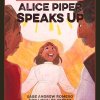
Born in California in 1908, Alice belonged to the Numu (Paiute) community. Her parents were supportive of her education, so when she wanted to attend the new Big Pine School instead of the Big Pine Indian School, they promised to help her fight to attend. At the time, many Indian Schools, including Alice's focused on teaching students only what they would need to be laborers and servants. Schools were not well supplied, and were inferior to the white schools that the Native children were not allowed to attend. Alongside Alice's story, we get a lot of information about the area in which she lived and the sociopolitical climate of the time, which is helpful in understanding Alice's experiences. Alice's case went before the court, and she and several other Native students were finally allowed to attend the Big Pine School. It wasn't easy, and not everyone welcomed her, but she managed to go on to high school and have a career helping other Native children further their education.
Good Points
The portions of the book that tell Alice's story are in verse, and accompanied by Thompson's vibrant illustrations that show what it was like for Alice to live in her community and fight for her rights. The nonfiction sections have photographs, reproductions of documents and newspaper articles, and helpful sidebars with important vocabulary. There are timelines threaded throughout the book as well, and those help put the events of Alice's life in context with other civil rights issues at the time.
At the end of the book, there are good resources for young activists who need guidance on how to get involved in their community so they can fight injustices in the same way that Alice did. There are also source notes, a bibliography, and a complete index.
Some of the notes include information about other children who fought to go to school, which is a great way to get readers interested in searching for other inspirational cases. Readers might want to pick up Huahn and Chan's Mamie Tape Fights to Go to School, Conkling's Sylvia and Aki, and Aguila's A Sea of Lemon Trees: The Corrido of Roberto Alvarez and Kanefield's 2014 The Girl from the Tar Paper School: Barbara Rose Johns and the Advent of the Civil Rights Movement. There two other books in the Fighting For Justice series (about Fred Korematsu and Biddy Mason) that are also great additions to middle grade libraries.
At the end of the book, there are good resources for young activists who need guidance on how to get involved in their community so they can fight injustices in the same way that Alice did. There are also source notes, a bibliography, and a complete index.
Some of the notes include information about other children who fought to go to school, which is a great way to get readers interested in searching for other inspirational cases. Readers might want to pick up Huahn and Chan's Mamie Tape Fights to Go to School, Conkling's Sylvia and Aki, and Aguila's A Sea of Lemon Trees: The Corrido of Roberto Alvarez and Kanefield's 2014 The Girl from the Tar Paper School: Barbara Rose Johns and the Advent of the Civil Rights Movement. There two other books in the Fighting For Justice series (about Fred Korematsu and Biddy Mason) that are also great additions to middle grade libraries.

Comments
Already have an account? Log in now or Create an account
Latest Additions






GET A YABC BUTTON!


We have all sorts of YABC buttons for your website. Grab one here and link to YABC!